
You just closed the books on the busiest Friday you’ve had all year. Covers were up 28 %. Guests were happy. Tips were strong.
Yet when you look at the P&L on Monday morning, the food cost line is sitting at 34 % — again.
Sound familiar?
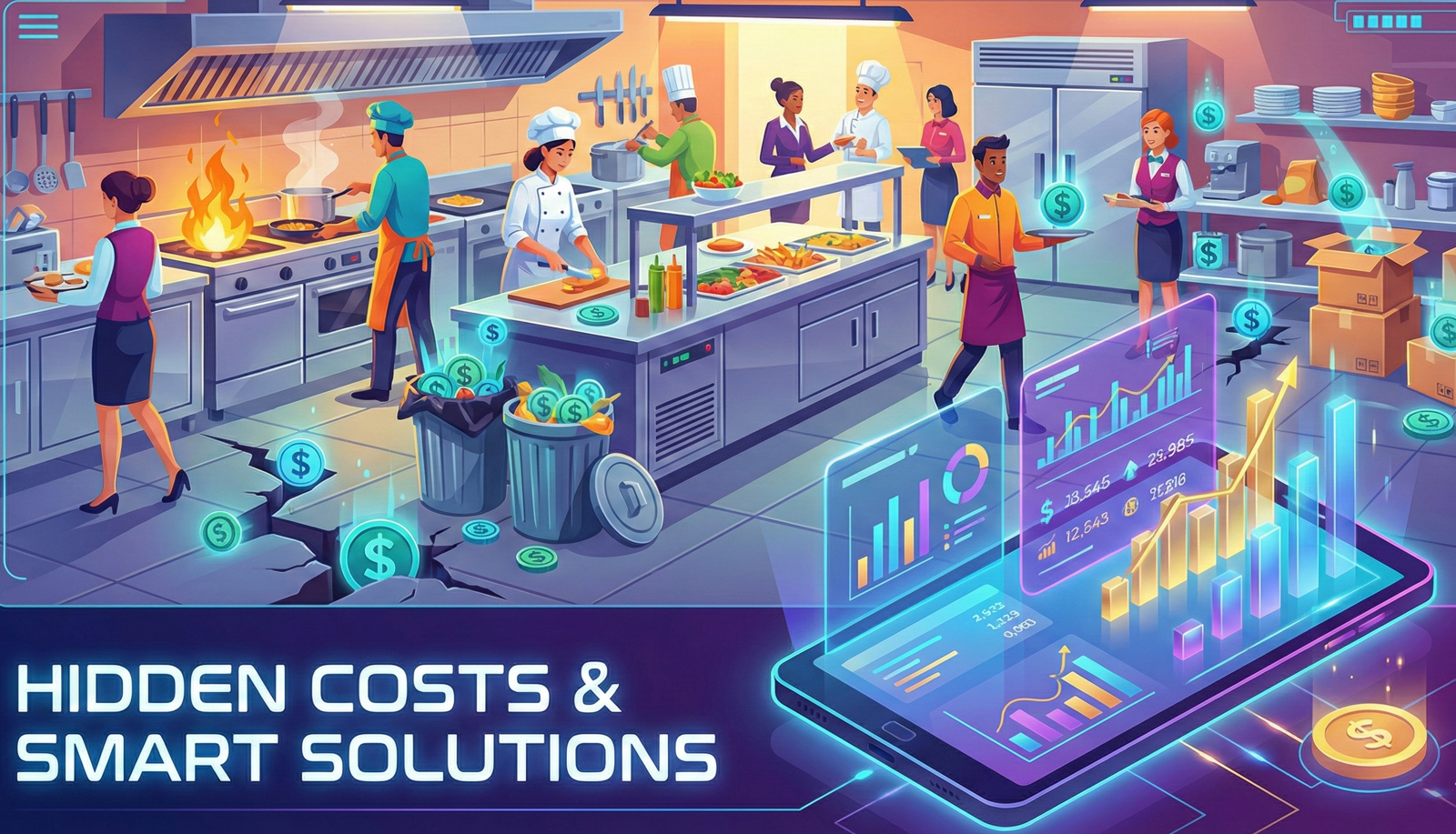
The truth nobody wants to say out loud: a packed dining room can hide a hemorrhaging kitchen. The money isn’t walking out the front door with the guests — it’s slipping out the back in spoiled produce, over-portioned proteins, and invoices you never noticed went up 18 %.
If you’re still running your kitchen on printed prep lists, whiteboards, or a POS that was “good enough” in 2018, you’re not behind — you’re bleeding. And in 2025, the bleed is getting louder.
Here’s how the sharpest independent operators are plugging the holes for good.

Why Your Old Systems Are Costing You Thousands Every Month
Most owners think inventory problems show up as one dramatic disaster — a walk-in compressor dies, $8,000 of product gone overnight.
Reality is quieter and far more expensive.
It’s the half-case of avocados that turned black because nobody adjusted the par after adding a new smash burger to the menu. It’s the line cook who “eyes” the 8 oz sirloin and consistently gives 10-11 oz. It’s the produce rep who quietly raised the price of romaine 22 % last quarter and you never adjusted menu pricing.
These micro-leaks add up to five, six, even seven points of profit. Gone. Every single month.
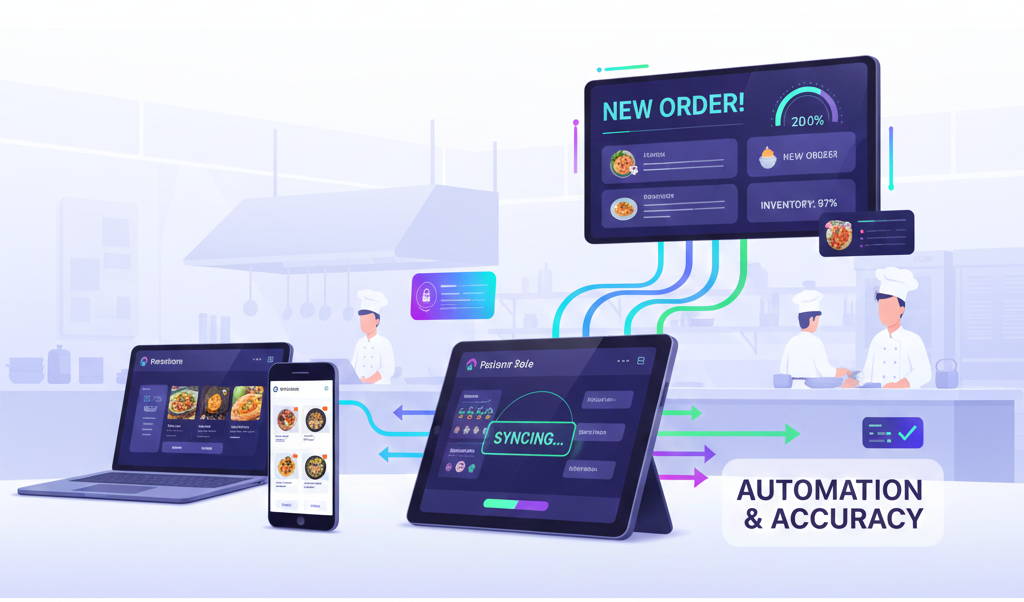
The fix isn’t working harder. It’s building a BOH system that sees everything in real time.
The 2025 Non-Negotiable Back of House Software Checklist
Don’t waste another demo with a sales rep who can’t answer these questions. If the platform you’re evaluating can’t check every box below, walk away.
1. True Recipe-Level Depletion (Not Just “1 Entrée Sold”)
When a ticket fires for the Truffle Burger, your inventory must deduct:
1 pretzel bun
7 oz fresh-ground chuck
0.8 oz truffle aioli
1.5 oz aged white cheddar
Anything less is theater, not control.
2. Predictive Purchasing That Actually Learns Your Restaurant
The system should know you sell 68 % more wings when the Bears play at noon and 41 % less salmon when the temperature drops below 20 °F. Then it drafts Monday’s produce order while you’re still sleeping.
No more overbuying lettuce that wilts by Wednesday or running out of fries on game day.
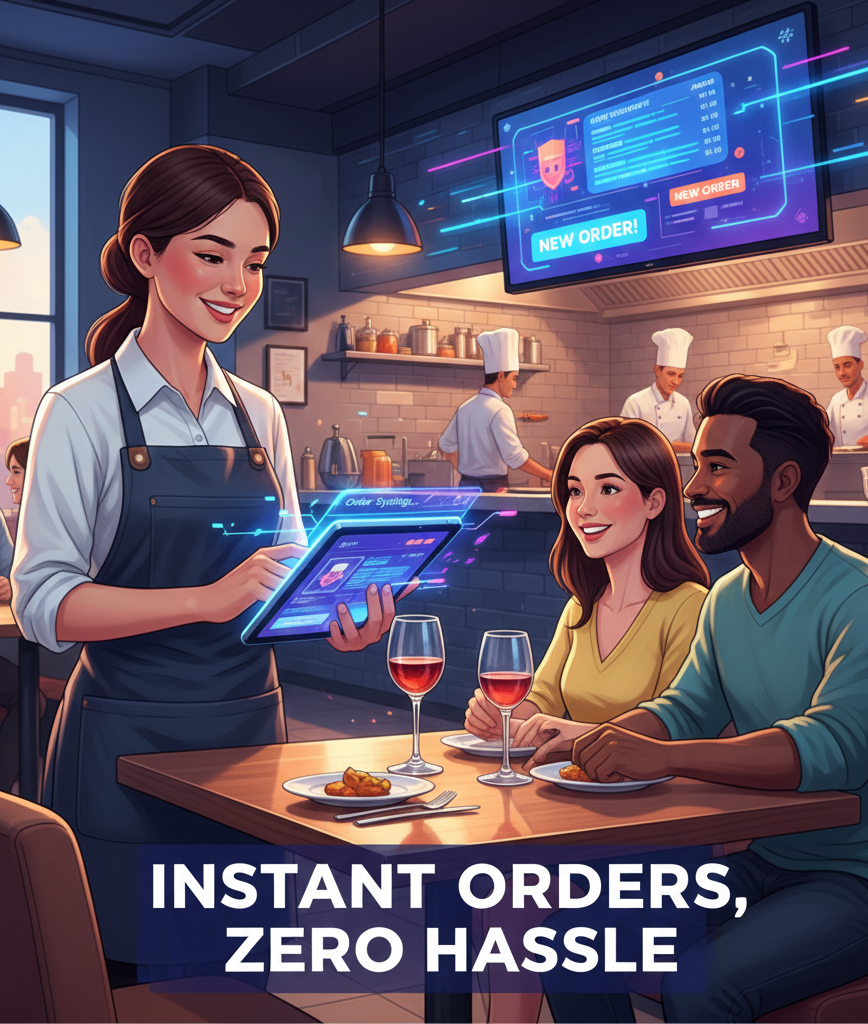
3. Seamless Table Side Ordering Integration
Every server using handheld ordering devices for restaurants means modifiers hit the kitchen screen instantly and correctly. One less “no onion” that got missed → one less comped entrée → one less double-cost plate.
4. Built-In Waste & Variance Logging
Spoilage, dropped trays, family meal, tasting spoons, theft — it all has to be accounted for in 30 seconds or less. When theoretical food usage is 312 lbs for the week but actual depletion is 348 lbs and only 4 lbs are logged as waste, someone’s walking out with 32 lbs of product.
5. Dynamic Recipe Costing
Butter jumps $0.68/lb? Your Nova POS updates every plate cost overnight and flags anything now running above your target margin.
Old School vs. 2025 Reality
Daily Pain Point 2019 Way 2025 Way (Nova Ecosystem)
Inventory 5-hour Sunday count with clipboard Perpetual, real-time, zero full counts
Ordering Email threads & vendor portals AI-generated POs you approve in 90 seconds
Recipe Costing Static Excel updated twice a year Live costing that updates when invoices change
Phone Orders Scribbled on carbon paper Voice AI for restaurants takes the call, fires the ticket
Online Orders Third-party apps robbing 20-30 % Your own branded restaurant webstore at 100 % margin
The Emerging Edge: Vision AI in Restaurants
The next wave is already here in forward-thinking kitchens: cameras above the trash bins that recognize and auto-log waste. A dropped rack of ribs? Instantly recorded at cost. No more “I forgot to write it down.”
Early adopters are cutting unexplained shrinkage by 60-80 %.
Your 7-Day Action Plan to Stop the Bleeding
Pull last week’s invoices. Circle every price increase you didn’t notice.
Weigh 20 random portions during tonight’s service. How many are over by more than 0.5 oz?
Run a theoretical vs. actual food usage report (if your current system even has one).
Time how long your manager spends building orders manually. Multiply by their hourly rate.
Book a demo with a platform that actually does ingredient-level tracking (hint: most don’t).
Frequently Asked Questions
Q: My food cost jumps around every week. What’s going on? A: Inconsistent portioning + untracked price creep. A solid restaurant back of house software shows you exactly where the variance lives — prep, line, or purchasing.
Q: How long does it really take to switch systems? A: Building recipes and inputting vendors takes 15-25 hours total. After that, you save 10-15 hours every single week forever. The math is brutal in your favor.
Q: Do handhelds really make that big a difference in the kitchen? A: They eliminate ticket errors and smooth out the rush. Instead of 45 tickets hitting the rail in a 10-minute avalanche, orders fire steadily. Your cooks breathe, mistakes drop, labor stays calmer.
Q: Is predictive ordering worth it for a single location? A: Especially for a single location. Chains have buyers. You’re the buyer, the manager, and the owner. Let the machine do the part that doesn’t require your soul.
Q: Can better tech actually lower labor costs? A: Indirectly, yes. When your KM isn’t spending 12 hours a week counting inventory and calling in orders, they’re on the floor expediting, training, and tasting — which usually means you run one less body on prep.
Your kitchen shouldn’t be the place where profit goes to die.
The operators taking home 18-24 % net in 2025 aren’t luckier or in better locations — they simply stopped guessing and started measuring.
Ready to turn your back of house into the profit engine it was always meant to be?
Get your free demo today and see exactly how much you’re leaving on the table.



Write a comment ...