Ever notice how time seems to warp when you’re hungry?
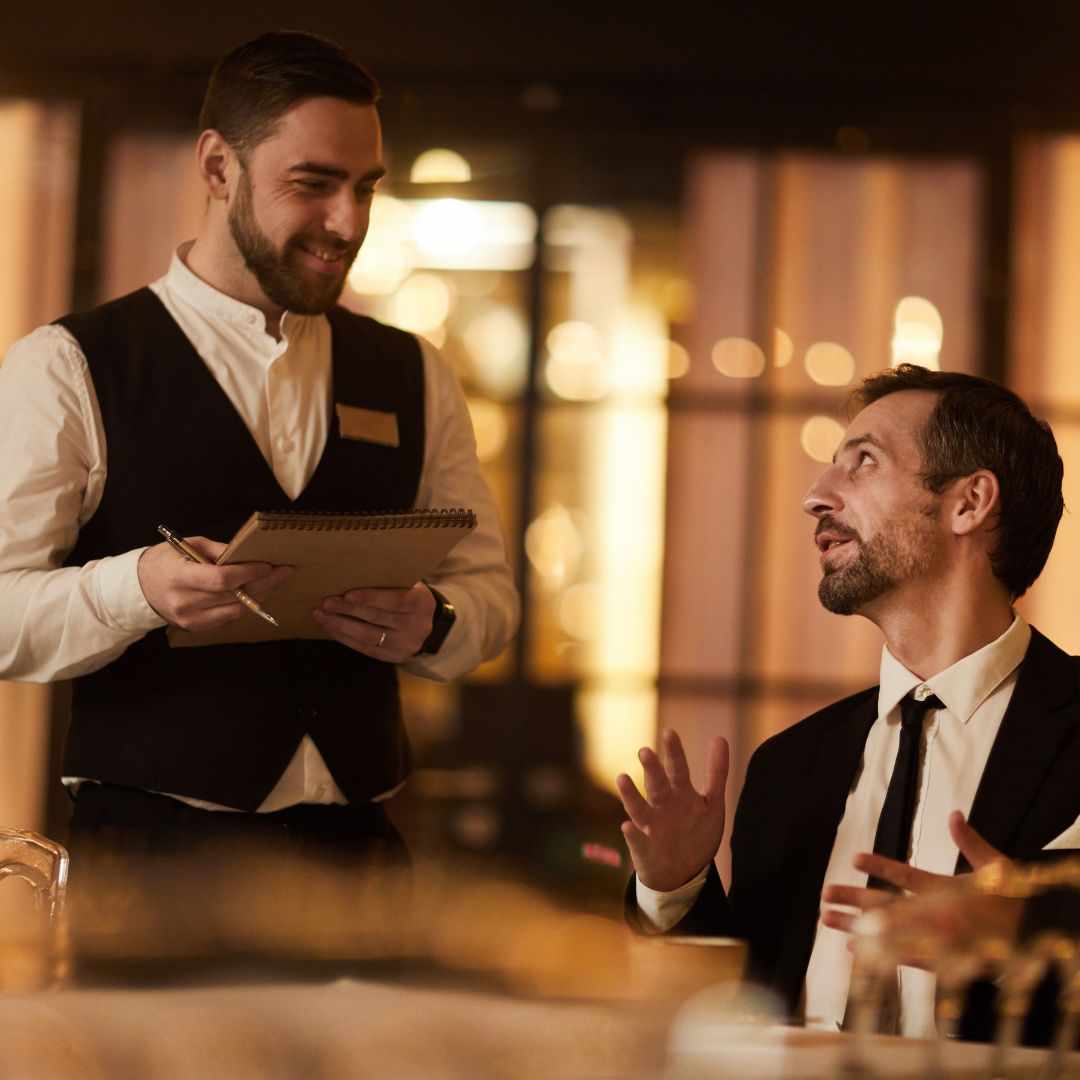
You sit down at a table. One minute feels like five. If a server hasn't greeted you or taken a drink order within seven minutes, the "hangry" sets in. You start looking at the door. You start judging the decor. The vibe shifts from "excited to eat" to "why are we here?"
This is the 7-Minute Rule.
In the hospitality game, speed isn't just a metric; it is the strongest currency you have. If you can break that friction barrier, you win a repeat customer.
The secret to beating the clock isn't telling your staff to run faster. It’s about removing the hurdles in their way. This is where tableside ordering changes the math completely.
Let’s look at why speed matters and how the right tech stack makes it happen.
Why The Clock is Your Biggest Competitor
Here is the tricky part about modern dining: guests are used to instant gratification. They order Amazon packages that arrive the next day. They stream movies instantly.
When they sit in your booth, that expectation doesn't disappear.
If your server has to write an order on a notepad, walk to a stationary terminal, wait for another server to finish, and then punch in the order, you have already lost valuable time.
The "Ping-Pong" Effect
Without handheld tech, your staff plays ping-pong between the table and the POS terminal.
Guest asks for a beer.
Server walks to the terminal.
Server walks to the bar.
Server walks back to the table.
It’s inefficient. And frankly, it’s exhausting for your team.
The Solution: Handheld POS Systems
So, how do we fix this? We stop treating the Point of Sale as a destination and start treating it as a tool that lives with the server.
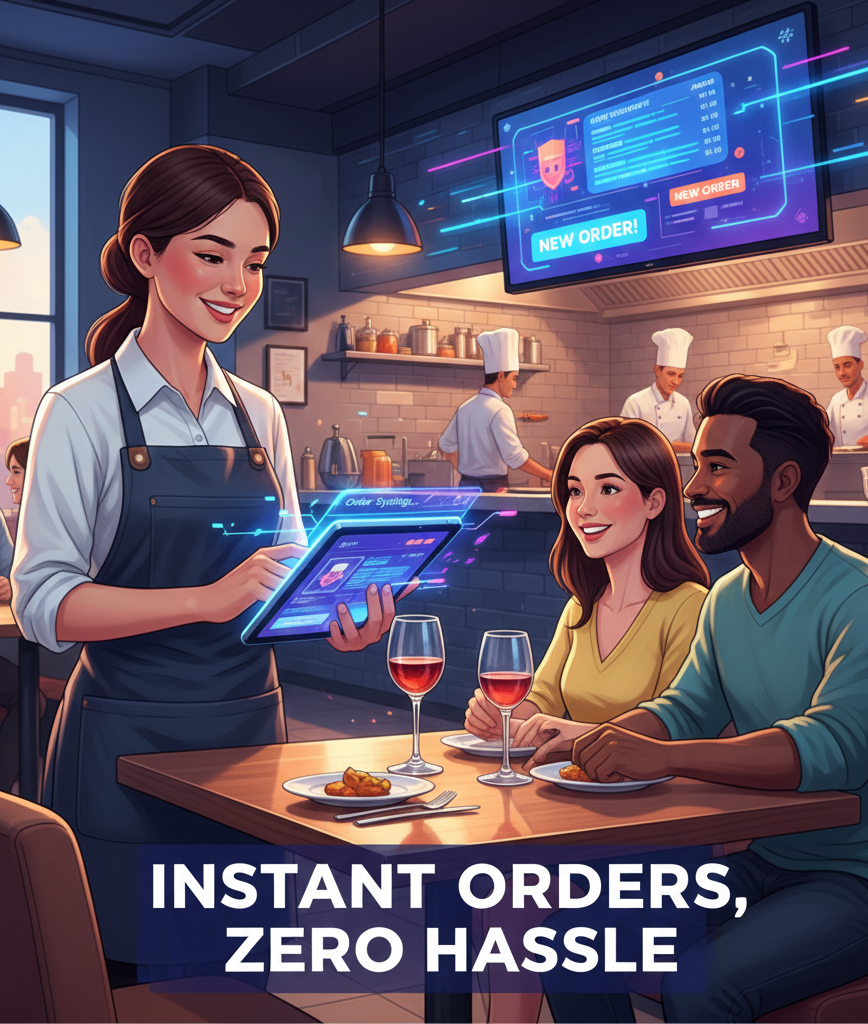
Implementing handheld pos systems for restaurants allows your staff to fire orders directly to the kitchen while they are still standing next to the customer.
Think about the difference:
Old Way: Server takes order -> walks to station -> punches order -> kitchen gets ticket (5–8 minutes lag).
New Way: Server taps screen at table -> kitchen gets ticket instantly (0 minutes lag).
By the time the server leaves the table to get the drinks, the appetizers are already being prepped. That is the power of tableside ordering.
"Speed isn't about rushing the guest; it's about rushing the logistics so the guest can relax."
Connecting the Front to the Back
Speed at the table is useless if the kitchen crashes.
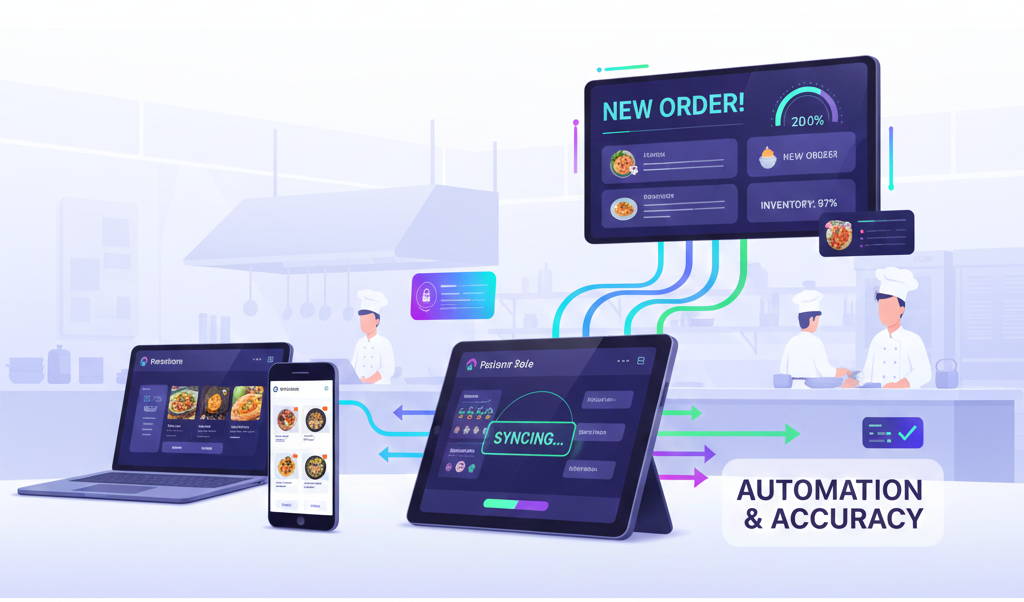
You can have the fastest servers in the world, but if your restaurant back of house software isn't syncing perfectly with the front, you’re just speeding up a traffic jam.
A unified system, like the NOVA POS, connects the two brains of your restaurant. When a steak is sold tableside, the inventory is deducted instantly. If you run out of the daily special, the handheld device updates immediately so the server doesn't sell a dish you can't make.
This integration prevents that awkward "I'm so sorry, we actually just ran out of that" conversation, which is a guaranteed mood killer.
Vision AI: The Next Level of Speed
If you want to get really futuristic, look at vision ai in restaurants.
Imagine a camera system that watches your prep line. It can identify if a burger has been sitting in the window too long or if the fries look undercooked before a runner grabs them. It ensures that the speed gained by tableside ordering doesn't result in sloppy mistakes.
Manual vs. Handheld: A Quick Comparison
Let's look at the numbers.
Feature
Pen & Paper / Stationary POS
Handheld / Tableside Tech
Order Entry Time
3–5 minutes post-interaction
Instant (Real-time)
Table Turn Time
60–75 minutes
45–50 minutes
Error Rate
High (handwriting/memory issues)
Near Zero (guest confirms on screen)
Upsell Opportunity
Relies on server memory
Prompts appear on screen
Staff Fatigue
High (lots of walking)
Low (less back-and-forth)
Does This Work for Quick Serve?
Absolutely. In fact, for a Quick Serve Restaurant POS, speed is the only thing that matters.
Line busting is a real tactic. If your counter line is out the door, you can send staff down the line with handheld ordering devices for restaurants. They take orders and payments before the customer even reaches the counter.
By the time the guest gets to the pickup window, the food is ready. That is how you double your lunch rush revenue.
Actionable Steps to Faster Ticket Times
Audit your steps: Watch a server for one shift. Count how many steps they take just to input an order. It will shock you.
Upgrade your WiFi: Handhelds need a solid connection. Don't skimp here.
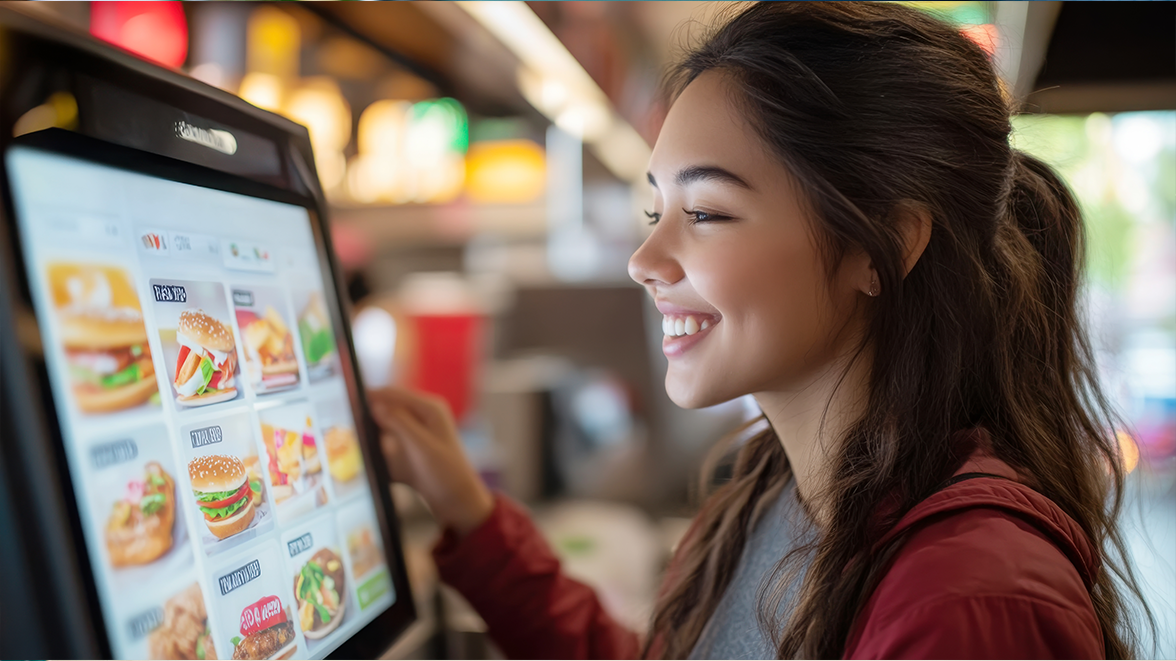
Train on the flow: Don't just hand staff a device. Teach them how to use the device to engage the guest, showing them photos of the food on the screen to boost sales.
Integrate Online Orders: Ensure your restaurant webstore feeds into the same KDS (Kitchen Display System) so your kitchen isn't looking at two different screens.
FAQs: Speed & Technology
Q1. Will using handhelds make my service feel "robotic" or impersonal?
Answer: meaningful eye contact. Actually, it does the opposite. When a server isn't trying to memorize a complex order or rushing to a terminal before they forget, they can actually relax and talk to the guest. The device handles the data, allowing the human to handle the hospitality. Plus, showing guests photos of the food on the tablet is a great conversation starter.
Q2. How much time does tableside ordering actually save?
Answer: On average, restaurants see a turn time reduction of 10 to 15 minutes per table. That might not sound like much, but on a busy Friday night, that is the difference between turning a table three times instead of two. Over a year, that is massive revenue.
Q3. Is it hard to train staff on a NOVA point of sale handheld?
Answer: most young staff are already glued to their smartphones. The interface of a modern nova point of sale is designed to look and feel like a standard app. Most servers pick it up in less than 30 minutes. It’s intuitive—tap, modify, send.
Q4. Does this work for Back of House efficiency too?
Answer: Yes. The boh system gets data faster, which means the line cooks can batch orders more effectively. Instead of getting slammed with five tickets at once because a server waited to punch them all in, the tickets trickle in steadily as they are ordered. It smooths out the kitchen flow and reduces stress.
Q5. What if the internet goes down?
Answer: This is a common fear. However, robust systems like NOVA have "offline mode" capabilities. The devices can usually store data locally and sync back up once the connection is restored. You rarely lose functionality during a temporary blip, ensuring your tableside ordering keeps moving.
Final Thoughts
The 7-Minute Rule isn't just a theory; it is the reality of modern dining. If you make them wait, they won't come back. But if you use the right tools to speed up the boring stuff—ordering, payment, firing tickets—you give your staff more time to do the important stuff: making guests feel welcome.
Equip your team with handheld POS systems, integrate your front and back of house, and watch your ticket times drop while your reviews (and revenue) climb.


Write a comment ...