It’s the text message every manager dreads.
Sunday morning. 9:00 AM.
"Hey, I can't make it in today. Actually, I don't think I can come back at all. I'm done."
Your stomach drops. That was your best server. Or your lead line cook.
Why is this happening? You pay them well. You try to be a cool boss. So why is your turnover rate looking like a revolving door?
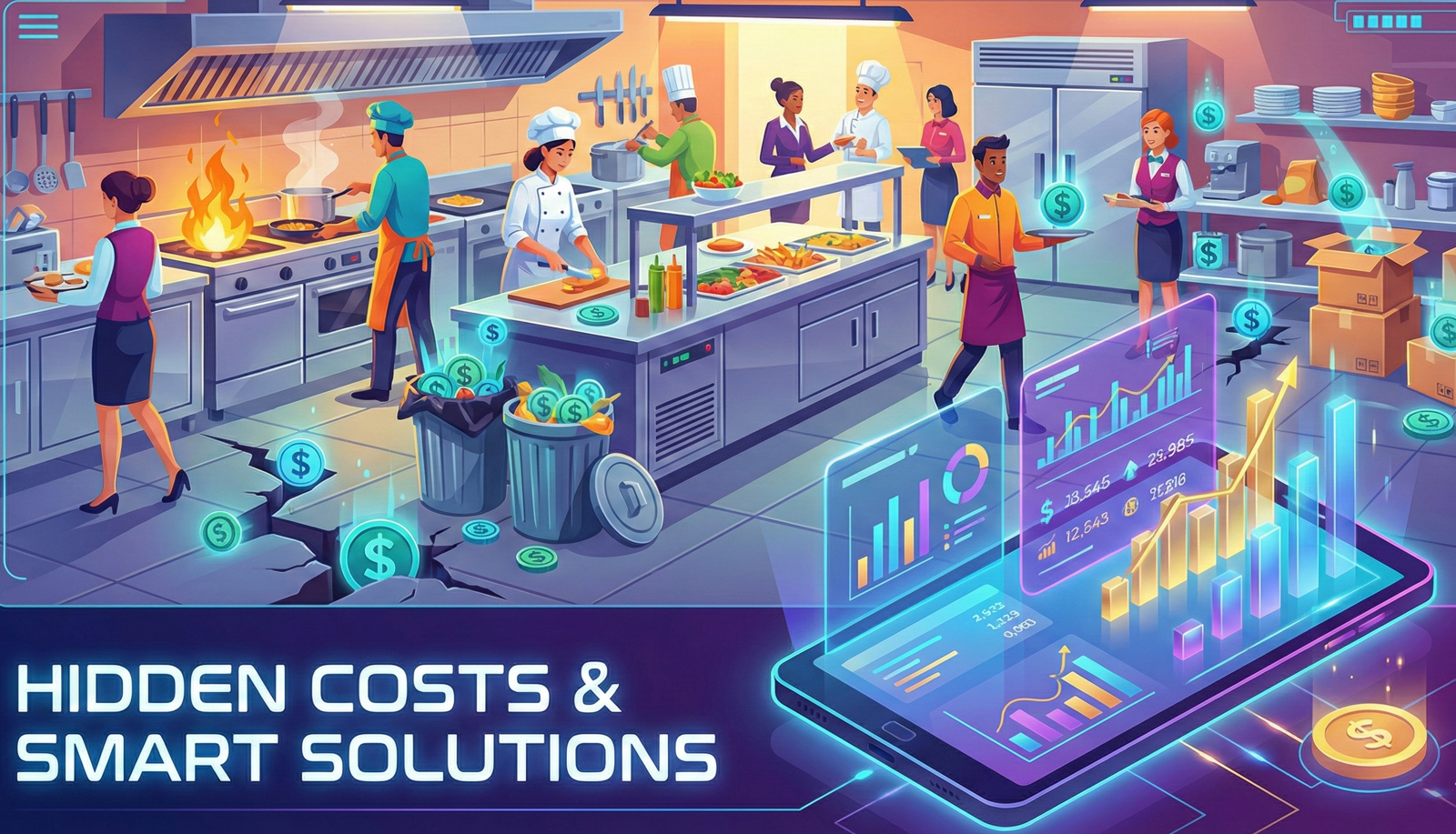
Here is the hard truth for 2026: They aren't quitting the job. They are quitting the chaos.
Staff burnout isn't usually about the physical work (though that is part of it); it’s about the mental load. It’s the frustration of fighting with a glitchy POS. It’s the stress of running back and forth because the printer jammed. It’s the feeling of being set up to fail by broken systems.
Let’s break down how "smarter" ecosystems—not just higher wages—are the secret weapon for retention.
The "Friction Fatigue" Phenomenon
Imagine you are a server.
You have to walk 20 steps to the terminal. It’s occupied. You wait. You finally log in, but the screen lags. You try to modify a burger, but the button is hidden three menus deep. You run to the kitchen to explain the allergy because you don't trust the system.
That is "Friction Fatigue."
Do that 50 times a night, and you go home exhausted and angry.
This is where technology stops being a utility and starts being a retention tool. When you equip your team with a modern nova pos, you aren't just processing payments faster; you are removing the little annoyances that grind people down.
Saving Steps Saves Sanity
We talked about the "10,000 steps" goal for fitness. But for a server, 20,000 steps isn't fitness; it’s burnout.
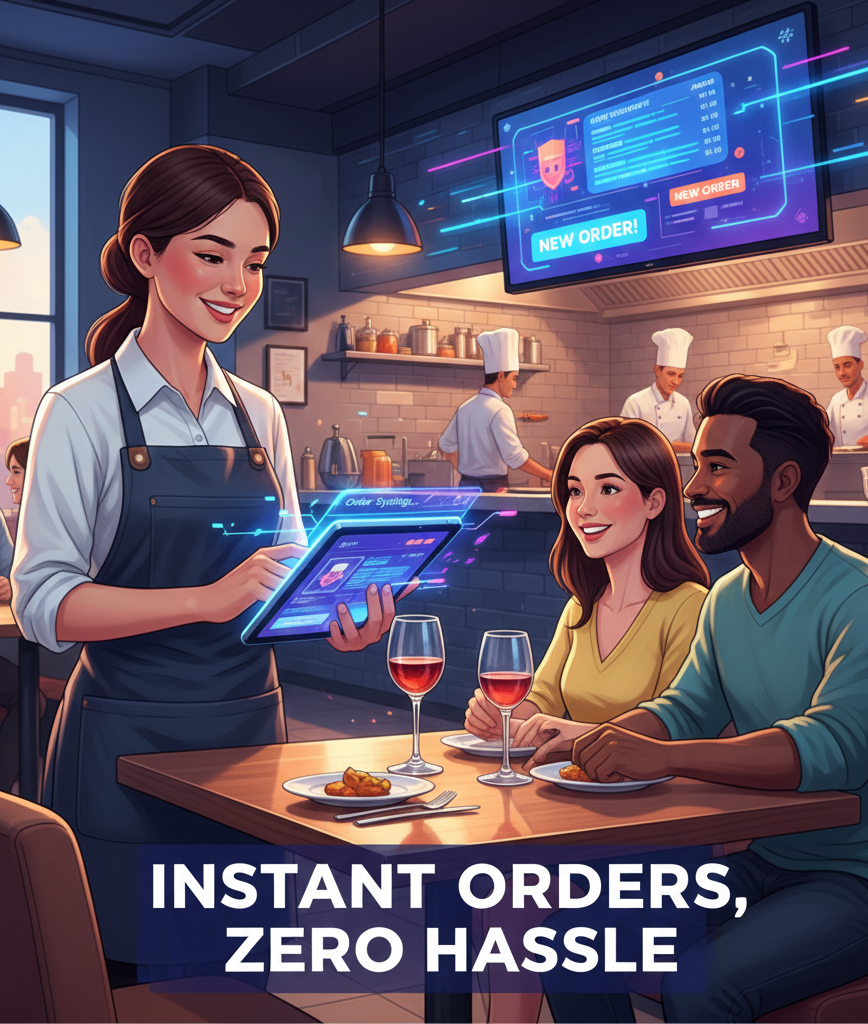
By switching to tableside ordering, you physically reduce the workload.
Your staff can stay in their section. They can send orders instantly. They aren't running marathons just to get a Diet Coke. When staff feel physically better at the end of a shift, they are less likely to dread coming back tomorrow.
The Kitchen Pressure Cooker
Burnout is even worse in the Back of House (BOH).
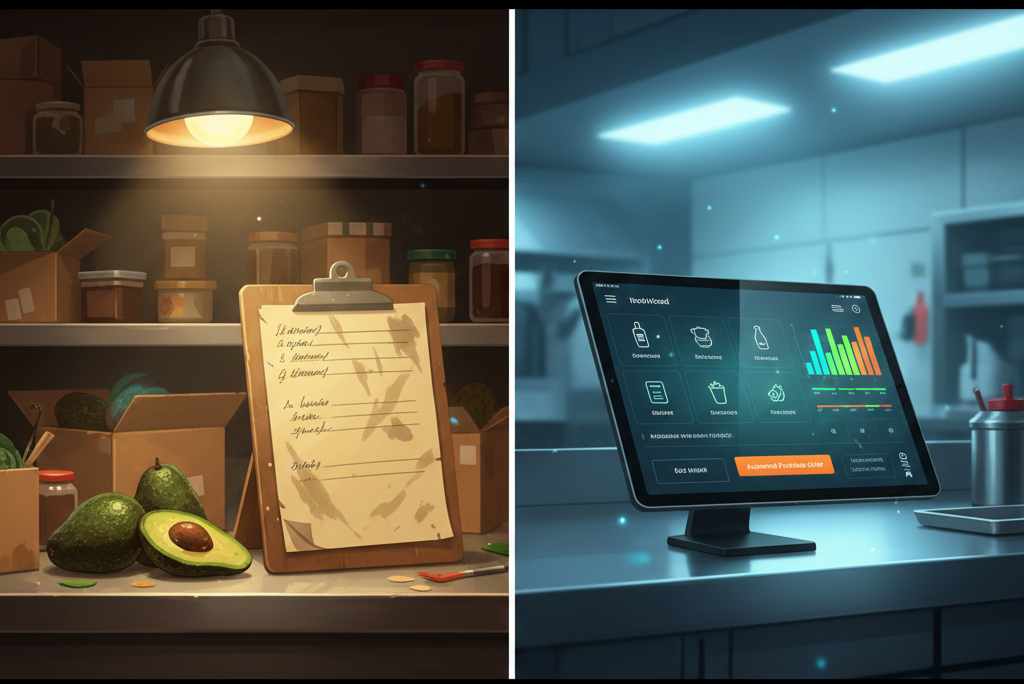
The kitchen is hot, loud, and high-pressure. If your boh system is messy—if prep lists are wrong, or inventory runs out mid-shift—you are adding fuel to the fire.
Nothing makes a chef quit faster than running out of key ingredients during a Friday rush because the ordering system failed.
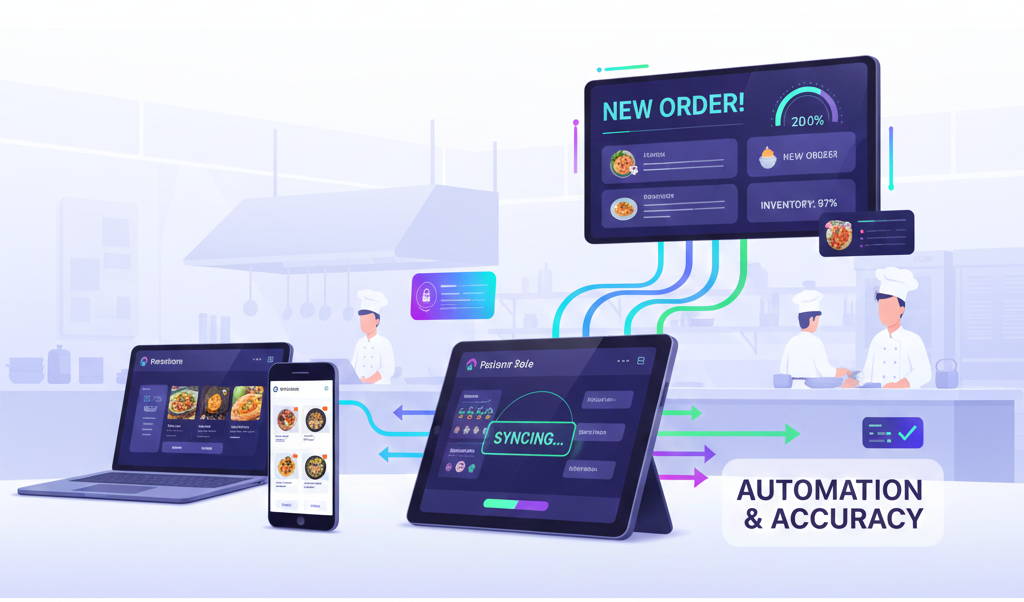
Smart restaurant back of house software acts as a safety net. It predicts prep needs accurately. It handles auto-ordering. It ensures the team has the tools they need to succeed.
"You can't expect staff to act like professionals if you give them amateur tools."
The Schedule Battle
While we often focus on the shift itself, the stress often starts before they clock in.
"Clopening" (closing late and opening early) is a morale killer.
Modern platforms integrate sales data with labor tools. They can predict that next Tuesday will be slow, suggesting you cut a shift before you publish the schedule, rather than cutting someone two hours after they arrive (which they hate).
Using data to create balanced schedules shows your team you respect their time.
Comparison: The Chaos Kitchen vs. The Smarter System
Feature
The "Burnout" Environment
The NOVA Ecosystem
Ordering
Fighting for a shared terminal
Personal handheld pos systems for restaurants
Mistakes
" Kitchen didn't see the mod!"
"System blocked the error."
Inventory
"86 items" shouting matches
Real-time digital updates
Physical Toll
High (Running back and forth)
Low (Efficient movement)
Mental Load
High (Memorizing everything)
Low (Tech remembers for you)
The "Cool Factor" Matters
Let's be real. Young staff in 2026 grew up with iPhones.
If you hand them a clunky, beige monitor from 2012, they unconsciously judge your business. They think, "This place is behind the times."
Giving them sleek handheld ordering devices for restaurants or using vision ai in restaurants to help with quality control signals that you are an innovator. It makes them proud to work there. It sounds small, but pride is a huge retention driver.
Actionable Steps to Stop the Churn
Ask Your Staff: Don't guess. Ask them, "What is the most annoying thing about our POS?" Fix that one thing.
Go Mobile: If your servers are still queuing at a station, get them handhelds. Watch their mood improve instantly.
Automate the "Busy Work": Use your restaurant technology companies integrations to handle inventory counts and reporting. Let chefs cook, not do data entry.
Audit Your "86" Process: If running out of food causes fights between FOH and BOH, automate it with a unified system. Peace in the kitchen equals staff retention.
FAQs: Technology & Retention
Q1. Can software really make staff happier?
Answer: Absolutely. Think about the last time your computer crashed. You felt frustrated, right? Now imagine that happening 20 times a night while customers are staring at you. Reliable, fast software removes that anxiety. When the tools just work, the job becomes easier, and the staff can focus on the fun part—interacting with guests and making money.
Q2. Will older staff quit if I introduce new tech?
Answer: This is a common fear, but it’s rarely true. Older staff value efficiency just as much as younger staff. If you show them that the nova pos means they don't have to walk as far or memorize as many prices, they become the biggest advocates. The key is proper training, not just throwing a tablet at them.
Q3. How does reduced chaos help with tips?
Answer: Less chaos means better service. Better service means higher tips. When a server isn't stressed about the computer freezing, they are smiling more. They are upselling dessert. High tips are the #1 reason staff stay. If your tech helps them earn more money, they aren't going anywhere.
Q4. Is "Vision AI" too creepy for staff?
Answer: Not if framed correctly. Vision AI isn't there to spy on them; it's there to back them up. If a line cook accidentally forgets a side of fries, the system flags it before it goes to the table. This saves the server from getting yelled at by a customer. It protects the team from mistakes.
Q5. What is the ROI on keeping staff?
Answer: Massive. It costs roughly $2,000 - $4,000 to hire and train a new employee. If investing in better back of house software stops three people from quitting this year, the system has effectively paid for itself. Retention is the highest ROI activity you can do.
Final Thoughts
You can't buy loyalty with a pizza party.
If you want your best people to stay in 2026, you have to give them an environment where they can win. Remove the friction. Upgrade the tools. Show them that you value their sanity enough to invest in a system that works. When you take care of the chaos, the staff will take care of the rest.


Write a comment ...