2025 was the year everyone talked about AI.
2026 is the year smart operators are actually mastering it.
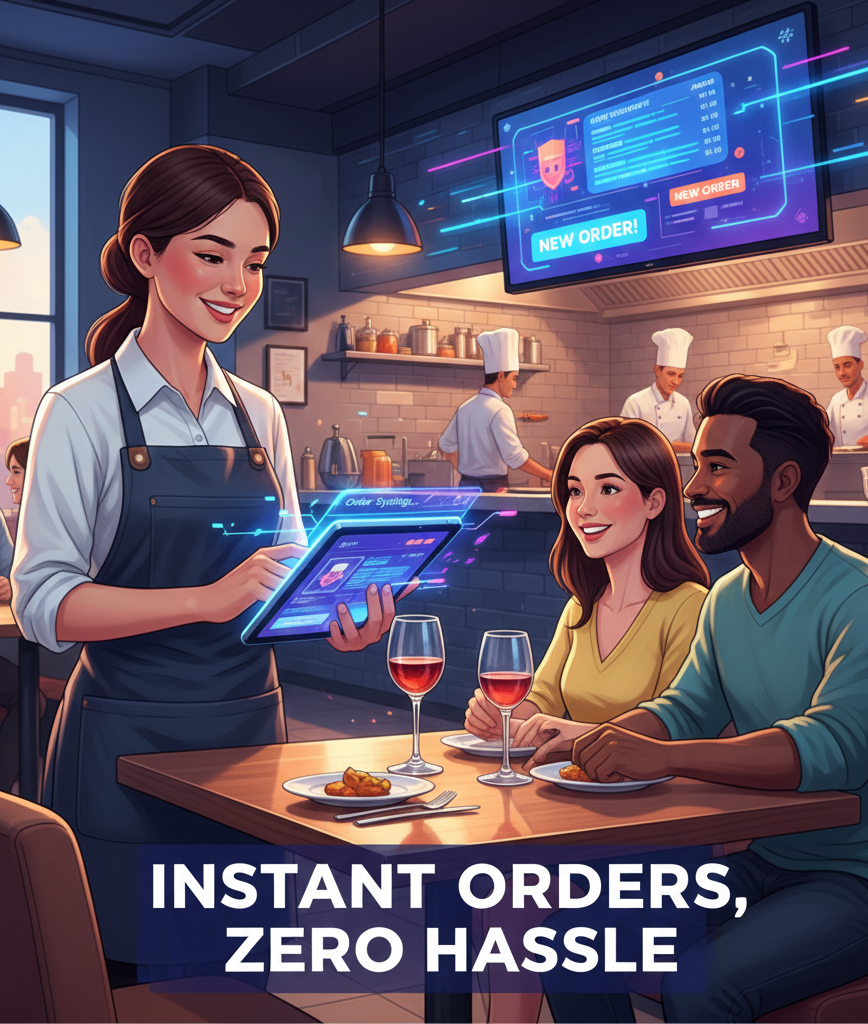
It’s Friday night. Your host stand is slammed.
There is a line of three people waiting to be seated. A driver is waving a phone in your face. And in the background, the landline is ringing.
And ringing.
And ringing.
In the past, that unanswered call was just an annoyance. In 2026, it’s a business failure. That wasn't just a hang-up. That was $60 walking away to order from the guy down the street who upgraded his tech stack.
This is the reality for the coming year. Voice AI for restaurants has graduated from a "nice-to-have" experiment to a critical infrastructure piece. It’s no longer just about answering the phone; it’s about anticipating the guest's needs before they even finish their sentence.
Let’s separate the sci-fi from the strategy. Here is what is real for the next generation of hospitality.
The Evolution: From "Answering Machine" to "Sales Agent"
A year ago, we were impressed if a bot could just take a reservation without crashing.
The bar has been raised.
In 2026, the "Missed Call Economy" is unacceptable. But the solution isn't just an automated receptionist. It’s a digital sales agent.
Modern voice ai for restaurants has evolved to understand context, not just keywords. It listens for hesitation. It recognizes returning phone numbers.
Here is how the technology is shifting:
1. Predictive Ordering
Imagine this: A customer calls. The AI recognizes their number.
"Hi Sarah, are you calling for your usual Friday night pepperoni pizza?"
Sarah says "Yes," and the order is placed in 10 seconds.
This level of personalization was once only possible for a veteran bartender. Now, it’s standard for the software.
2. Sentiment Analysis
This is the "futuristic" part that is becoming real. Advanced AI models can now detect tone. If a caller sounds frustrated or angry, the AI can flag the call for immediate human intervention or switch to a more empathetic script. It knows when to de-escalate.
3. The Drive-Thru 2.0
For a Quick Serve Restaurant POS, the drive-thru is the battlefield. The new wave of AI doesn't just take orders; it manages the flow. If the kitchen is backed up, the AI knows to suggest items that have a shorter cook time to keep the line moving. It optimizes the menu on the fly.
The NOVA Angle: The "Native" Ecosystem
Here is the tricky part about the future.
If you are still stapling "bolt-on" bots onto a legacy system, you will fail.
Many restaurant technology companies sell AI wrappers that sit on top of old software. In 2026, that latency—the split-second delay between systems—is too slow.
At NOVA, we are building for an AI-native future. This means the voice engine lives inside the ecosystem.
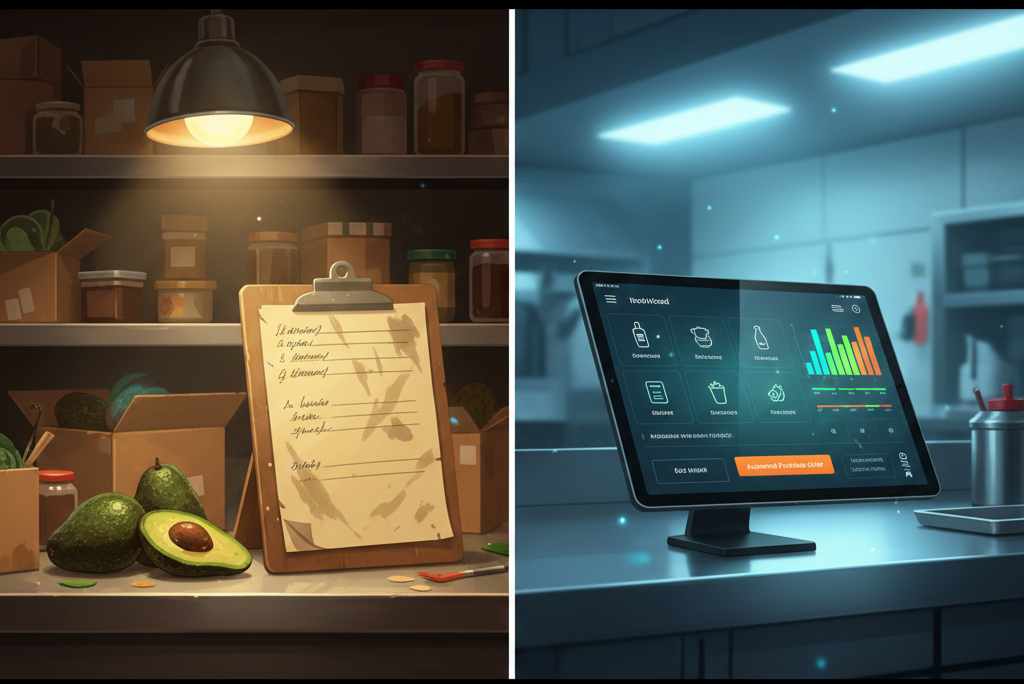
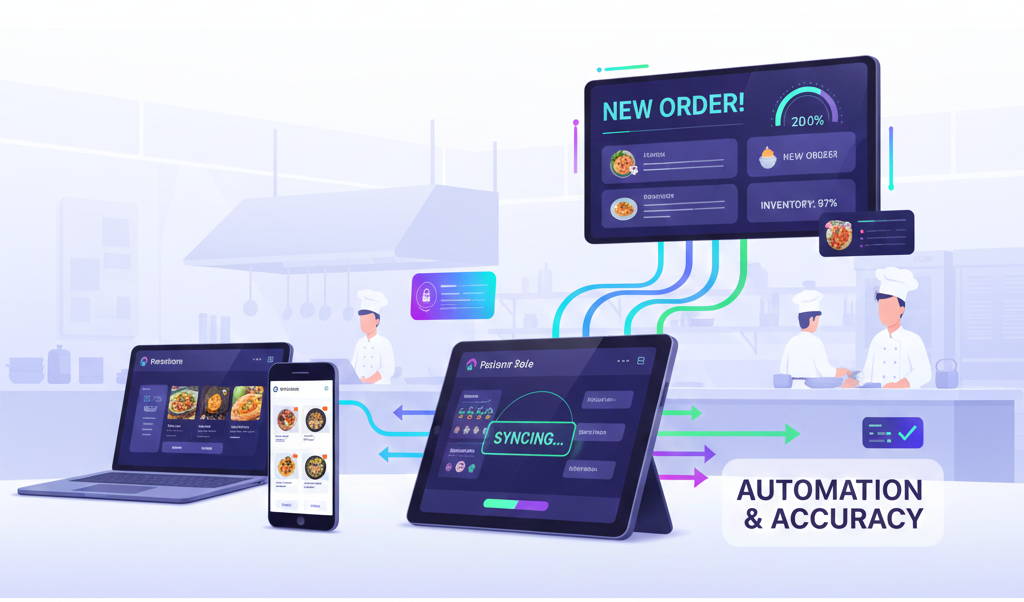
When the AI upsells a bottle of wine, it has already checked your restaurant back of house software to ensure that specific vintage is in stock. It happens instantly.
"In 2026, integration isn't enough. You need synchronization. The voice, the kitchen, and the inventory must think as one brain."
Beyond Voice: The Vision Connection
The most exciting development for 2026 is the convergence of senses. Voice AI (ears) is finally shaking hands with vision ai in restaurants (eyes).
While the Voice AI takes a complex modification over the phone, the Vision AI cameras on the prep line watch the make-table. If the cook forgets the "no onions" instruction the AI just received, the system alerts the kitchen screen immediately.
It’s a closed loop of quality control that feels like magic.
Pros vs. Cons: The 2026 Landscape
Let's look at the trade-offs as the tech matures.
Feature
The Human Staff
The AI Agent (2026 Model)
Availability
Limited by shift hours
24/7/365
Memory
Remembers "regulars" sometimes
Remembers every order history forever
Upselling
Inconsistent
100% consistent and data-backed
Tone
Can have a "bad day"
Always polite, never stressed
Complex Complaints
Great at conflict resolution
Improving, but still routes to humans
Actionable Takeaways for the Future
Clean Your Data: AI is only as smart as your database. Before 2026 kicks into high gear, audit your nova point of sale. Ensure every modifier, price, and ingredient is accurate.
Audit Your "Hold" Times: How long does a customer wait on Friday night? If it’s over 60 seconds, you are losing revenue.
Start with Takeout: Don't try to automate everything at once. Let AI handle the inbound takeout calls first. It’s the highest volume and lowest risk.
Embrace the Hybrid: The goal isn't a robot restaurant. It’s a supported human team. Use the tech to free up your best people to work the dining room floor.
FAQs: The Future of Voice
Q1. Is this technology expensive for independent owners?
Answer: It used to be. But in 2026, the cost has plummeted. Because these models run in the cloud, you don't need expensive servers in your back office. The monthly cost of a voice AI for restaurants subscription is often less than the cost of one missed catering order. It pays for itself in saved revenue.
Q2. Can AI really understand "slang" or fast talkers?
Answer: Yes. The Natural Language Processing (NLP) models have matured. They are trained on millions of real restaurant conversations. They know that "lemmet get uhhh..." is a pause, not an order. They understand regional accents and menu-specific jargon better than ever before.
Q3. Will my older customers hate it?
Answer: Resistance is fading. Most consumers are now used to talking to smart devices at home. Plus, modern AI sounds human. It uses natural pauses and friendly intonation. Often, the customer doesn't realize it's a machine until the very end—if at all.
Q4. How does this help my kitchen?
Answer: Order pacing. A human host might slam the kitchen by entering five phone orders at once. AI throttles the orders. It sends them to the boh system instantly as they come in, smoothing out the ticket flow and keeping your line cooks sane.
Q5. Is it safe to rely on AI for allergies?
Answer: It is actually safer. Humans make memory errors; software does not. If a dish is tagged with "contains nuts" in your system, the AI will never let a customer order it if they mention a nut allergy. It enforces safety protocols strictly.
Final Thoughts
The future isn't coming; it’s already ringing on line one.
As we move into 2026, the divide between restaurants that thrive and those that struggle will come down to efficiency. You can’t clone your best staff members, but you can give them tools that make them superhuman. Embrace voice AI, clear the phone lines, and focus on what truly matters: the food and the experience.

Write a comment ...